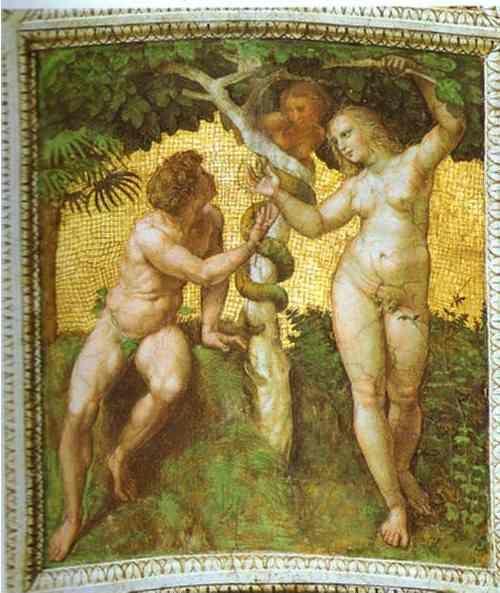
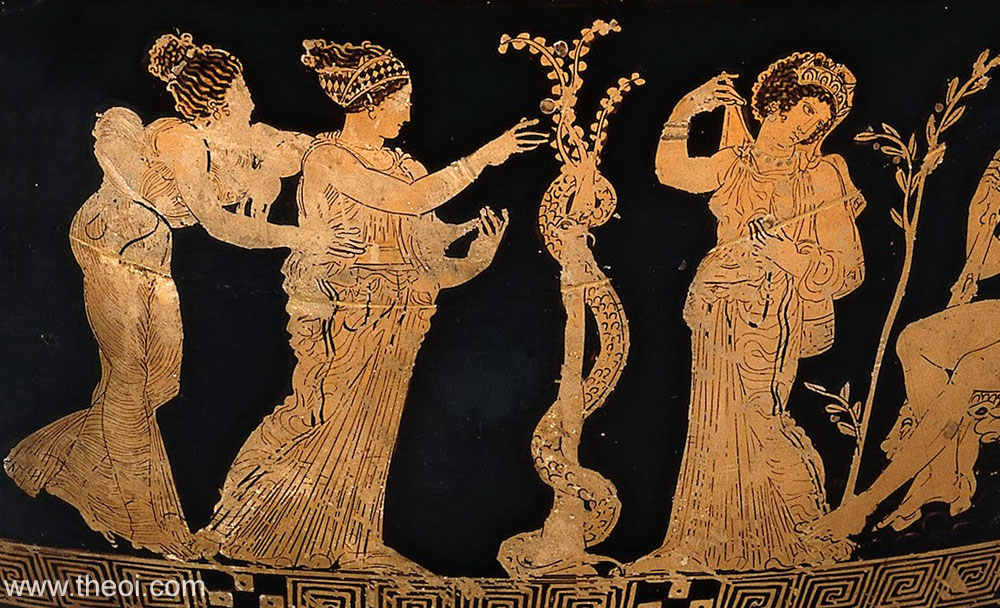
- Review "The Three Ravens" (viewed yesterday, based on "The Six Swans")
- Notes: sequence of events, symbolism, theme
- HW: Read "Oedipus" handout.
- Check HW.
- Review method for constructing a critical analysis of poetry.
- Begin conclusion.
How to Interpret Poetry
1. Read it through. (out loud?)
a. Get initial impression/image/literal meaning/context
2. Second read
a. Examine vocabulary
b. Look for symbols and metaphors
i. free associate meanings/brainstorm
ii. group discussion if possible
iii. select meanings to match context
3. Third read
a. Make connections
b. Determine poem’s intent; what is being said at a figurative/abstract level.
c. Personal reaction
I. Intro
a. Literal
i. Young chimney sweeper comforts friend whose hair is cut off.
ii. Friend has a dream of being brought to a wonderful place by an angel. He’s encouraged.
b. Figurative
i. The dream is a metaphor that turns life and death upside down. They are living a kind of death, salvation (life) comes from death (heaven).
II. Stanza 1
a. Begins with a death, related with childlike matter-of-factness
b. Key words:
i. “my father sold me”
1. consequence of extreme poverty
ii. “’weep, ‘weep”
1. Play on words: child too young to say “sweep.” “Weep” elicits the grief/tragedy of the situation.
III. Stanza II
a. Key words:
i. Lamb, white hair (innocence)
ii. “soot cannot spoil your white hair?” Innocence can’t be tarnished?
IV. Stanza III
a. Tom’s dream
i. Sweepers locked in black (death) coffins
1. metaphor for their lives; death in life
ii. The Angel
1. freedom, life, messenger, guardian, from God
2. bright key: moment of death, unlocking the coffin
iii. Imagery
1. green plain: contrast to black coffin; green = life
How to Write a Critical Analysis
1. Intro
a. Title, author
b. Comment on literal context and figurative/abstract meaning. (thesis statement)
2. Select and discuss meaning of imagery/metaphors/symbols to support your thesis.
a. Stanza by stanza
i. Refer back and forward for support
3. Conclusion
a. Author’s purpose (thesis statement)
i. What larger statement is being made?
Little Lamb, who made thee?
Dost thou know who made thee?
Gave thee life & bid thee feed,
By the stream & o'er the mead;
Gave thee clothing of delight,
Softest clothing, wooly, bright;
Gave thee such a tender voice,
Making all the vales rejoice?
Little Lamb, who made thee?
Dost thou know who made thee?
Little Lamb, I'll tell thee,
Little Lamb, I'll tell thee:
He is called by thy name,
For he calls himself a Lamb.
He is meek & he is mild;
He became a little child.
I a child & thou a lamb.
We are called by his name.
Little Lamb, God bless thee!
Little Lamb, God bless thee!
How to Interpret Poetry
1. Read it through. (out loud?)
a. Get initial impression/image/literal meaning/context
2. Second read
a. Examine vocabulary
b. Look for symbols and metaphors
i. free associate meanings/brainstorm
ii. group discussion if possible
iii. select meanings to match context
3. Third read
a. Make connections
b. Determine poem’s intent; what is being said at a figurative/abstract level.
c. Personal reaction
So we’ll go no more a roving
So late into the night,
Though the heart be still as loving,
And the moon be still as bright.
For the sword outwears its sheath,
And the soul wears out the breast,
And the heart must pause to breathe,
And love itself have rest.
Though the night was made for loving,
And the day returns too soon,
Yet we’ll go no more a roving
By the light of the moon.
The last train is nearly due,
The underground is closing soon,
And in the dark deserted station,
Restless in anticipation,
A man waits in the shadows.
His restless eyes leap and scratch,
At all that they can touch or catch,
And hidden deep within his pocket,
Safe within it's silent socket,
He holds a colored crayon.
Now from the tunnel's stony womb,
The carriage rides to meet the groom,
And opens wide and welcome doors,
But he hesitates, then withdraws
Deeper in the shadows.
And the train is gone suddenly
On wheels clicking silently
Like a gently tapping litany
And he holds his crayon rosary
Tighter in his hand.
Now from his pocket quick he flashes,
The crayon on the wall he slashes,
Deep upon the advertising,
A single worded poem comprised
Of four letters.
And his heart is laughing, screaming, pounding
The poem across the tracks rebounding
Shadowed by the exit light
His legs take their ascending flight
To seek the breast of darkness and be suckled by the night.
…at the bottom of the abyss comes the voice of salvation. The black moment is the moment when the real message of transformation is going to come. At the darkest moment comes the light. ~Joseph Campbell from The Power of Myth
Only after we have been completely destroyed can we begin to find ourselves. ~Ryan Smithson, from Ghosts of War
Hell is the impossibility of reason. ~Private Taylor, from Platoon
I think now, looking back, we did not fight the enemy; we fought ourselves. The enemy was in us. The war is over for me now, but it will always be there, the rest of my days. As I'm sure Elias will be, fighting with Barnes for what Rhah called "possession of my soul." There are times since, I've felt like a child, born of those two fathers. But be that as it may, those of us who did make it have an obligation to build again. To teach to others what we know, and to try with what's left of our lives to find a goodness and a meaning to this life. ~ Private Taylor, from Platoon
War is hell, but war is also paradise. ~~Ryan Smithson, from Ghosts of War
Discuss the theme of the Transformation of the Hero in both the film Platoon and the book Ghosts of War through the lens of one or two of the quotes above. Where appropriate, illustrate the transformation of the main characters using elements of Campbell’s hero formula. Your essay should include specific details from both stories. You may use your notes, reading logs and book for this assignment. Write in your own voice. This is not a Regents essay!
Dear Parents/Guardians,
Our school requires parental permission for your student to view movies that are used in our curriculum, or that are selected by our teachers R.
We believe showing your son or daughter full-length movies such as Platoon enables them to benefit from another medium as a resource in their study of current events and history.
The students do not just watch the film. They must take notes and write an essay connecting the themes and contexts with a current unit, in this case Ghosts of War by Ryan Smithson.
Thank you for taking the time to read and sign this permission form.
Sincerely,
_____________________
Mr. Lambert
English Department
Gloversville High School
Name of Movie: Platoon
Date of Movie: 12/9 - 11
Movie Rating: R
Student Name_____________________________
____ Yes, I give my son/daughter permission to view curriculum and school appropriate full-length movies rated PG-13 or R.
____ No, I do not give my son/daughter permission to view curriculum and school appropriate full-length movies of the types mentioned in this letter. I understand alternate learning experiences will be provided for my child while the movie is being watched.
Guardian signature/date
__________________________